Services

Software engineering for connected operations

Fix the slow loop. Simplify the integration. Build the operator's screen.

We work on the path from a PLC or sensor to the application that needs its data: protocol handling, native C++ processing, databases, HTTP APIs, and operator interfaces. DEVS supplies the components; our engineers adapt them to your equipment and workflow.

For one customer, that meant a PLC-to-SQL cycle under 300 ms. For another, it meant consolidating multiple integration layers into datapoints between automation and MES.

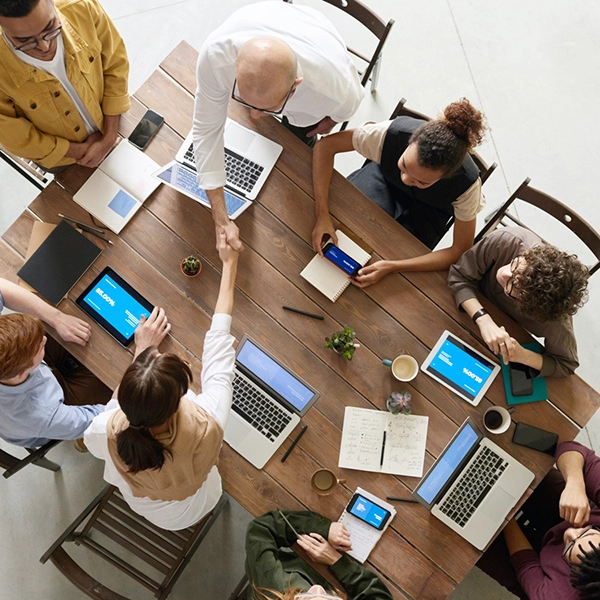
  • Engineers discussing requirements around a table

    Start with the work you need to improve.

    We review your equipment, software, and workflows with the people who use them. Together we identify which data needs to be connected, what should be automated, and who needs access.

    The result is a practical scope: the integrations, applications, and deployment needed to address your operational priorities.

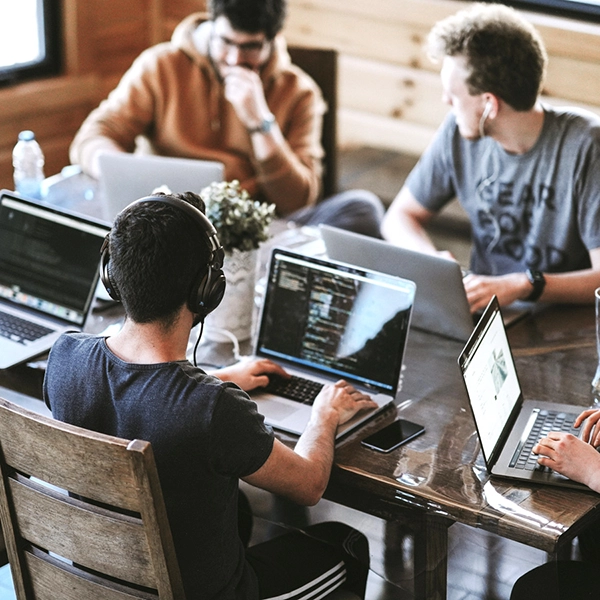
  • Software engineers working at their computers

    Design around your systems and constraints.

    We define device and database interfaces, data models, application behavior, and access requirements. We select DEVS components and plan any custom development your application needs.

    Deployment is part of the design: a small device, a gateway, an on-premises server, or cloud infrastructure, with remote connectivity where it is needed.

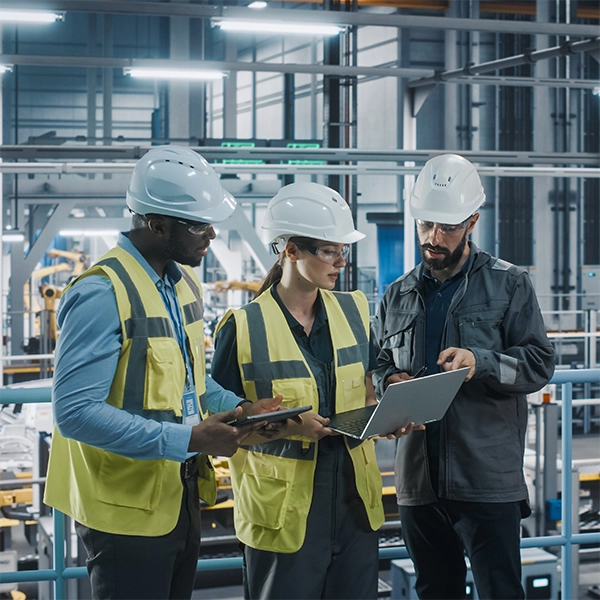
  • Engineers reviewing software in an industrial setting

    Connect, build, and put it to work.

    We develop device and protocol integrations, embedded and server software, automation logic, and custom web applications. DEVS provides a shared foundation for data access, flows, interfaces, and application management.

    We integrate with your existing systems, test against the agreed requirements, and work with your team through deployment and handover.

  • Support specialist speaking with a customer

    Keep the application useful as operations evolve.

    We help diagnose issues, maintain integrations, update software, and adapt applications as equipment and workflows change. Private remote access supports troubleshooting and maintenance of connected installations.

    We agree on support scope, availability, and upgrade arrangements to match your operation.

Legacy automation modernization

Familiar screens.
Better performance. More capability.

Modernize the software behind your automation system while keeping the interface your team already knows. We reproduce existing application screens, workflows, and behavior as closely as reasonably practical, reducing the learning curve when you move to DEVS.

Preserve what operators rely on.

Keep familiar screen layouts, navigation, terminology, control sequences, and the presentation of alarms and production records. We work with your operators to identify what needs to stay familiar and review any changes together.

Improve what happens behind the screen.

Replace slow or difficult-to-maintain middleware, improve device and database integration, and add capabilities such as material tracking, trends, remote support, and application assistants. Extend existing workflows as your operational needs grow.

A familiar interface needs familiar behavior.

Recreating the screen is only part of the work. We check how values update, commands are handled, and operator actions affect the process. Existing behavior is the starting point; changes needed for the new system are made explicit and reviewed with your team.

Compare before you switch.

Use Double Digital Twin (D2T) to run modified services against mirrored runtime and database data in staging. Compare outputs with production, investigate differences, and validate application logic and operator workflows before deployment.

Explore staging with D2T

Performance in practice: a production bottleneck removed.

A customer's PLC-to-SQL control loop took seconds or minutes. Rewriting the middleware in C++ on DEVS brought the full cycle below 300 ms and saved the customer millions, while retaining the same PLC and SQL Server.

Read the control-loop success story

Tell us about your application.

Start with the equipment you use, the systems you need to connect, or the workflow you want to improve.